
Our microbiome has been at the forefront of medical disease research in recent years. Our microbiome is composed of trillions of bacterial cells and other microorganisms. A normal microbiota may contribute to proper digestion and a robust immune system. Imbalances in the microbiota, however, have been increasingly implicated in conditions like obesity, diabetes, and autism. In this particular article, I will discuss the recent studies into the microbiome’s influence on behavioral health. In a January study from Oxford University explored in New Atlas the idea that the gut microbiome has influence on our personality acquisition and behavior. While it doesn’t assert a direct connection, it does propose the idea of bi-directionality between gut microbiota and neuropsychiatric conditions. An interesting correlation was found between the diversity of the gut microbiome and increased sociability. Perhaps most interesting though is that study linked diversity of the microbiome to certain life choices like travel and diet.
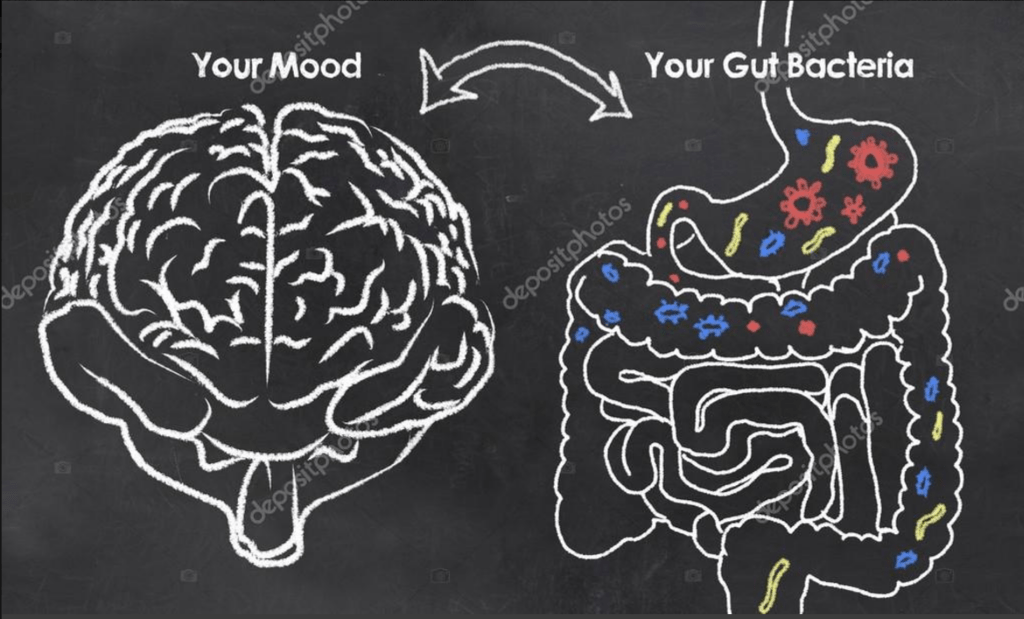
The link between gut microbiota and behavioral or mental health is quite fascinating. Given that research is so new though, many questions still remain. To what extent the microbiome plays a role in causing such psychological imbalances or abnormalities is yet to be seen. A convincing link, at least to me, has been made though between the microbiomes of the mentally well and those suffering from conditions like MDD. Perhaps the biggest question remaining though is how much influence we really have on our microbiota. The both studies point to diet as a potential major player in the microbiota, but diet is often heavily influenced by culture, socioeconomic status, and regional availability. The Oxford study specifically makes the point that modern-day living begets an insufficient diet. Is rectifying this modern diet and re-balancing the gut microbiota only a possibility for those who can afford to overhaul their pantry? I am sure many more studies are to come in this area, and as the science becomes more concrete, the social science will have much catching up to do.

 Victims of Virulence