Antibiotic resistance is a rapidly growing issue challenging medical professionals and our healthcare infrastructure at large. Resistance can occur naturally through spontaneous mutations in bacteria, but it is exasperated by misuse of antibiotics in humans and animals. A growing number of diseases are becoming increasingly resistant to antibiotics including pneumonia, tuberculosis, and salmonellosis. According to the World Health Organization (WHO), antibiotic resistance can influence health outcomes by increasing hospital stays and mortality rates. They recommend proper food handling and taking antibiotics as directed as ways an individual can help mitigate the growing public health crisis. One of the biggest issues with antibiotics is the emergence of “superbugs,” or diseases that have become resistant to the majority of currently used antibiotics.
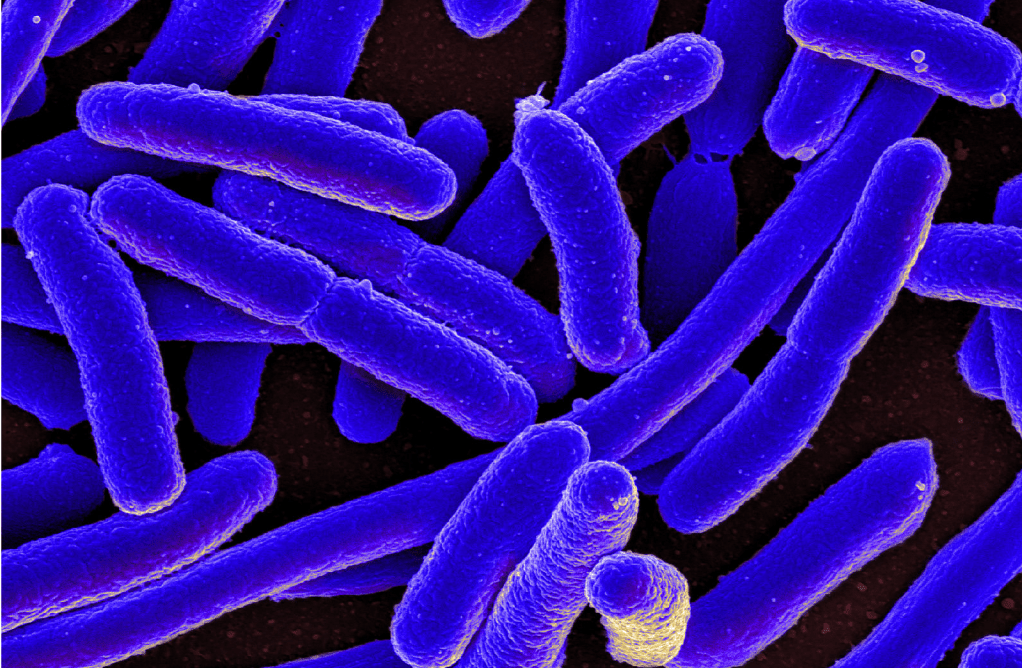
In an article from the Center for Infectious Disease Research and Policy at the University of Minnesota, researchers explore growing antibiotic resistance in pneumonia patients. The most notable finding from the study found that 22% of community-acquired pneumonia outpatients were resistant to antibiotics via statistics gathered US health insurance claims. The majority of the failed antibiotics were beta-lactam drugs. These adverse patient outcomes may spell disaster for elderly patients or immunocompromised patients. This gap in effective treatment highlights the need for increased funding for research in the field of antibiotic resistance.
Growing antibiotic resistance is also proving to be a challenge in cancer treatments. A Newsweek article from February details how chemotherapy treatment is being threatened by the emergence of superbugs. They estimate that 1 in 5 cancer patients will need antibiotics in during their treatment and 46% of UK doctors interviewed for the study said they believed drug-resistance will make chemotherapy useless in cancer treatment. Because chemotherapy weakens the immune system, it makes patients more susceptible to these emerging superbugs and without antibiotics they are at an extremely increased risk for adverse outcomes including death. Researchers quoted in the article call these finding a wake-up call in terms of the growing antibiotic resistance health crisis. I am inclined to agree as running out of viable antibiotics would likely create chaos. Many would die from bacterial infection before new effective drugs are approved if proper action is not taken now.

 Victims of Virulence